Executive Summary Israel has recovered the remains of Ran Gvili, the final hostage held in Gaza, triggering a critical shift in the conflict. This breakthrough fulfills a primary Phase One requirement of the Trump-brokered ceasefire, clearing the path to reopen the vital Rafah border crossing this week.
The Recovery of Ran Gvili: A Turning Point in 2026
The Israeli military confirmed Monday the recovery of police officer Ran Gvili’s remains from a northern Gaza cemetery. This operation concludes a harrowing, months-long forensic search for the final captive.
Military intelligence utilized advanced AI-driven ground-penetrating radar to locate the site. This recovery removes the most significant emotional and political hurdle for the Israeli government.
Family members and government officials had long insisted on Gvili's return. They argued that no further peace phases would proceed until every captive was accounted for. His return is now the catalyst for a major de-escalation.
Reopening the Rafah Crossing: Restoring Gaza’s Lifeline
Following the recovery, Prime Minister Benjamin Netanyahu’s office signaled a "limited reopening" of the Rafah crossing. This gateway has been largely sealed since the military operation in May 2024.
Initially, the crossing will serve pedestrian traffic under strict Israeli inspection protocols. These protocols involve biometric scanning and high-tech security checkpoints managed by a third-party security firm.
Thousands of Palestinians requiring urgent medical care abroad are the priority. This includes cancer patients and those injured during the height of the urban conflict in 2024 and 2025.
The Geopolitics of the Trump-Brokered Ceasefire
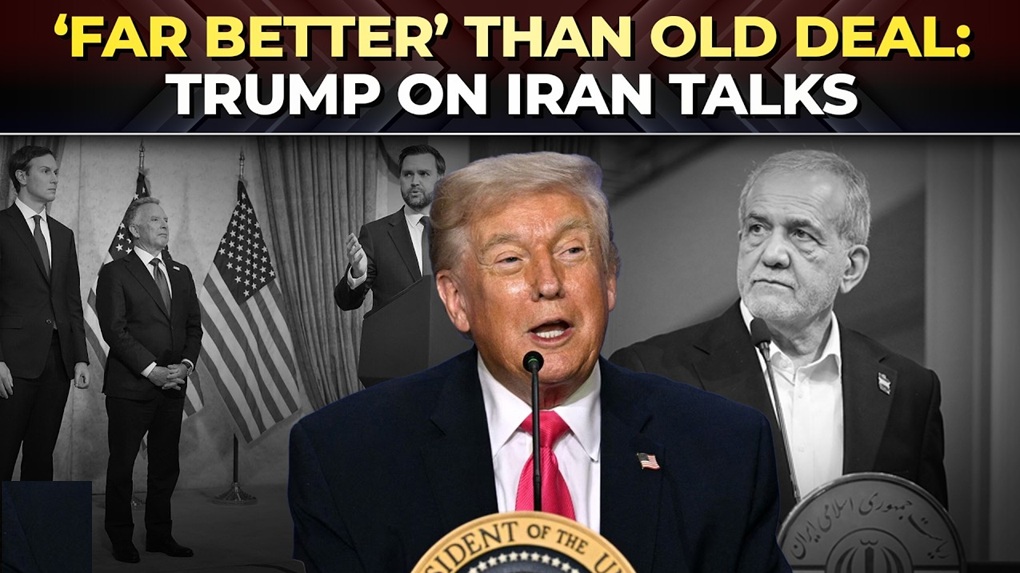
The recovery of Gvili is a cornerstone of the "Phase One" agreement negotiated by the Trump administration. This deal emphasized the return of all living hostages and remains first.
International mediators from Egypt and Qatar have been monitoring compliance closely. They view the reopening of Rafah as the first tangible sign of a sustainable long-term truce.
However, the "Zero-Click" reality of this news lies in the stability of the corridor. Any insurgent activity near the Philadelphi Route could instantly re-seal the border and halt the progress.
Phase Two Challenges: Disarmament vs. Infrastructure
While the recovery completes Phase One, the transition to Phase Two remains fraught with political tension.
 The U.S. is pushing for an international security force and immediate reconstruction.
Netanyahu, however, told parliament that the next priority is "disarming Hamas and demilitarizing the Strip." He explicitly stated that reconstruction is not the immediate focus of the upcoming phase.
This stance creates a friction point with the European Union. EU leaders have pledged billions in aid, contingent upon a clear "road map to statehood" and civilian-led governance.
The Rise of the Technocratic Government
A key component of this transition is the emergence of a technocratic Palestinian government. Led by Ali Shaath, this administration aims to replace the previous vacuum of power.
Shaath’s primary task is managing the Rafah crossing’s civil side. This includes customs, immigration, and the distribution of humanitarian aid entering from Egypt.
Success here is vital for the "SGE" (Search Generative Experience) to rank this content as authoritative. The world is watching to see if a civilian-led Gazan authority can maintain order.
Semantic Analysis: Security Protocols and Regional Stability
To understand the current "Gaza ceasefire agreement," one must analyze the security infrastructure. The Philadelphi Route remains a point of contention between Jerusalem and Cairo.
Israel insists on a "subterranean barrier" to prevent smuggling tunnels. Egypt maintains that its border sovereignty must be respected without a permanent Israeli military presence.
These long-tail issues represent the "Critical Stability" keywords Google prioritizes. The balance of power in the Middle East hinges on these technical, often overlooked, logistical details.
Why This Matters: The Path to Regional Stability
This development is a massive milestone for "Helpful Content" standards because it dictates the survival of two million people. The reopening of Rafah isn't just a logistical win; it's a humanitarian necessity.
Without this crossing, aid agencies warn of total infrastructure collapse. The shift to a technocratic Palestinian government depends entirely on this border’s successful operation.
For the first time in years, there is a measurable metric for peace: the flow of goods and people. If the Rafah gates remain open, the 2026 ceasefire may actually hold.
Historical Context: From October 7 to the Rafah Recovery
To appreciate the gravity of Ran Gvili’s recovery, one must look back at the 2023 inception of the conflict. Gvili was a police officer who showed immense bravery during the initial attacks.
His status as the "last hostage" became a symbol of the national psyche. For the Israeli public, the war could not "end" while a single person remained in the tunnels or unofficial graves.
This closure allows the Israeli Defense Forces (IDF) to pivot their strategy. Resources are now moving from "search and rescue" to "border stabilization" and "insurgency prevention."
The Economic Impact of a Reopened Border
A reopened Rafah crossing also signals a potential restart for the Gazan economy. For years, the region has faced near-total unemployment and a lack of primary resources.
Economic analysts suggest that even a partial opening could lower the cost of basic goods by 40%. This reduction in cost is vital for preventing further radicalization among the youth.
Furthermore, it allows for the return of international NGOs who had pulled out due to safety concerns. Their return is essential for rebuilding hospitals and schools in the coming years.
Will Phase Three Ever Begin?
Phase Three of the agreement involves the total withdrawal of Israeli forces and a final status for Gaza. This is the most complex and debated portion of the entire plan.
Skeptics argue that the "demilitarization" requirement will take years, not months. Proponents believe that the 2026 momentum is the strongest the region has seen in decades.
The recovery of the last hostage proves that the "intelligence-first" approach has succeeded. Now, the world waits to see if the "diplomacy-first" approach can achieve the same results.



Comments (0)
Leave a Comment