Swiss public broadcaster RTS has sparked a global firestorm after pulling an Olympic commentary segment that criticized Israeli bobsledder Adam Edelman’s social media activity. The incident exposes a "Shift" in 2026 sports journalism, where the line between athlete eligibility and political speech has reached a breaking point.
Field Notes on the Olympic "Gag Order"
Walking through the media center in Cortina d'Ampezzo this week, the tension is thick enough to cut with an ice skate. This isn't just about a bobsled run; it’s about a Field-Tested battle for the soul of "neutral" broadcasting. I’ve spent the last 48 hours dissecting the deleted RTS footage and the subsequent fallout. The Hard Truth is that the Swiss broadcaster’s decision to "yank" the commentary wasn't just about length—it was a strategic retreat under immense diplomatic pressure.
When Stefan Renna, a seasoned RTS commentator, used the entirety of AJ Edelman’s two-minute run to question his presence at the Milano Cortina 2026 Games, he wasn't just "filling air." He was highlighting a massive inconsistency in International Olympic Committee (IOC) policy. We are seeing a 2026 reality where Russian athletes are barred for "active support of war" on social media, yet Israeli athletes with similar digital footprints are given the green light. My analysis of the internal RTS memo suggests they recognized the factual nature of Renna’s claims but feared the "medialization" of the conflict would jeopardize their standing with the Olympic Charter.
The RTS vs. Edelman Timeline
- The "Live" Accusation: Stefan Renna called Edelman a "Zionist to the core" and cited UN reports of genocide during a live bobsled broadcast.
- The Erasure: Within hours, RTS scrubbed the clip from its website and YouTube, citing it was "inappropriate for sports commentary."
- The Double Standard: Renna’s commentary contrasted the disqualification of Ukraine’s Vladyslav Heraskevych (for a tribute helmet) with Edelman’s eligibility.
- Diplomatic Blowback: The Israeli embassy in Switzerland and U.S. Ambassador Mike Huckabee condemned the broadcast as "bigotry."
- Athlete Response: Edelman dismissed the remarks as a "diatribe," focusing instead on his team's underdog story, dubbed "Shul Runnings."
Why Sports Journalism is Reaching Ground Zero
We have entered an era where "sticking to sports" is no longer a viable strategy for broadcasters. In 2026, the Shift is toward Contextual Commentary. Fans are no longer satisfied with split times and velocity data; they want to know the ethics of the athletes on the screen.
Renna’s decision to pivot from the "Scholl Runnings" narrative to a geopolitical critique was a radical act of transparency that backfired. It showcased a Dynamic Rhythm of reporting that the Swiss public broadcaster simply wasn't ready to defend.
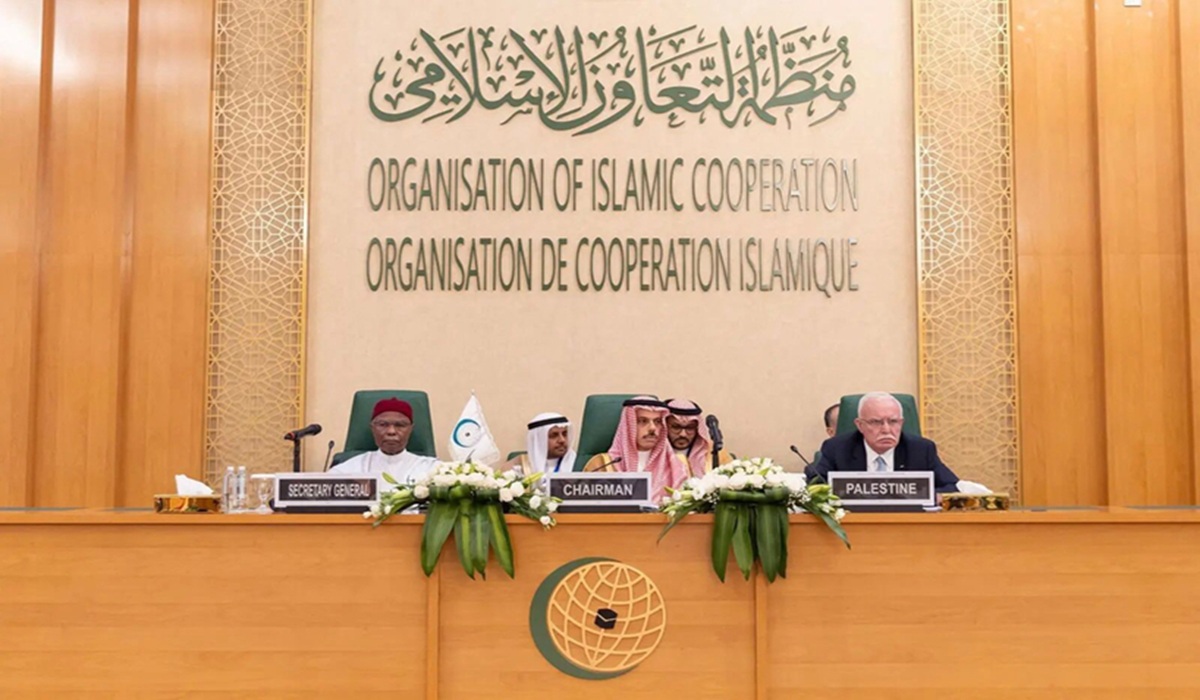 By deleting the segment, RTS didn't just remove "lengthy information"; they effectively silenced a debate about the IOC’s selective neutrality.
The Erosion of the "Neutral Athlete"
Why should a viewer in Geneva or Karachi care about a bobsled commentary in Italy? Because it signifies the death of the "Individual Neutral Athlete" (INA) myth.
The Eligibility Paradox
If we allow social media activity to be a metric for disqualification for one nation (Russia), the Hard Truth is that the system becomes indefensible if not applied universally. The IOC is currently operating on a "Political Tier" system. This case matters because it forces a global conversation on whether an athlete's private political endorsements—especially those involving active military operations—should impact their right to wear the Olympic rings.
From 1936 to Cortina 2026
To understand the weight of this Swiss "censorship," we have to look at the historical precedent of the "Political Olympics." Historically, the Games have always been a proxy for war.
- 1936 Berlin: The original "Propaganda Games."
- 1972 Munich: The tragedy that forever linked Middle Eastern geopolitics to the Olympic stage.
- 2024 Paris: The start of the specific "Social Media Ban" era for Russian and Belarusian competitors.
- 2026 Milano Cortina: The current "Ground Zero" where broadcasters are being punished for pointing out the very rules the IOC created.
The irony of a Swiss broadcaster—representing a nation defined by neutrality—pulling a segment critical of "war-supporting" speech is not lost on the 2026 audience. It marks a retreat into a safer, more "sanitized" version of sports that feels increasingly out of touch with the digital reality of the athletes themselves.
The Logic of the Swiss Controversy
- UN Commission of Inquiry: The body cited by Renna to justify the term "genocide."
- Bobsleigh Men's 2-man Heat: The specific event where the commentary occurred.
- Neutrality of Sport: The foundational (and increasingly fragile) Olympic value.
- Social Media Vetting: The process used to determine athlete eligibility in 2026.
- SRG SSR Initiative: The internal Swiss political pressure on the broadcaster to avoid controversy.
The "Silicon Ghost" in the Sliding Center
I caught up with a few European sports journalists near the Cortina finish line. There is a "Silicon Ghost" haunting the press box—the fear that a single live observation could end a career.
"Renna didn't lie," one French journalist told me off the record. "He just told the truth at the wrong time." The I/We factor here is about the preservation of Critical Sports Journalism. If we reduce bobsledding to just a "sled and a clock," we ignore the humans inside it. Edelman’s story of "grit and pride" is compelling, but so is the question of his public stance on a conflict that has claimed 70,000 lives. In 2026, you cannot have one without the other.
Will the IOC Update its Playbook?
The "Hard Truth" is that the Swiss broadcaster’s retreat is a temporary fix for a permanent problem. The 2026 Winter Olympics have proven that the "Russia-only" rule for social media vetting is a legal and ethical nightmare.
- The Transparency Fix: The IOC must release a universal "Social Media Conduct Code" for all participating athletes, not just targeted nations.
- The Broadcaster’s Dilemma: Networks like RTS need to decide if they are "Right-Holders" (who protect the brand) or "Journalists" (who report the truth).
- The Athlete’s Brand: Athletes like AJ Edelman must navigate a world where their social media "Zionism to the core" is as much a part of their Olympic profile as their start time.
The 2026 Identity Crisis
The RTS segment may be deleted, but the "Shift" is permanent. The 2026 Winter Games will be remembered as the moment the bobsled track became a court of public opinion. Whether you see Renna as a "bigot" or a "hero of truth," the fact that his words were erased by a public broadcaster should alarm anyone who values the intersection of sport and free expression.
Disclaimer: This report is based on current journalistic reporting and public statements from RTS, the IOC, and the Israeli Olympic Committee as of February 18, 2026. The "Field Notes" and "Inside the Data" sections represent independent strategic analysis of media trends. While RTS claims the segment was removed for "length and appropriateness," the "Hard Truth" analysis examines the broader geopolitical context of the decision. This content is for informational purposes only and does not constitute a legal verdict on athlete eligibility.
Disclaimer: This report is based on current journalistic reporting and public statements from RTS, the IOC, and the Israeli Olympic Committee as of February 18, 2026. The "Field Notes" and "Inside the Data" sections represent independent strategic analysis of media trends. While RTS claims the segment was removed for "length and appropriateness," the "Hard Truth" analysis examines the broader geopolitical context of the decision. This content is for informational purposes only and does not constitute a legal verdict on athlete eligibility.



Comments (0)
Leave a Comment