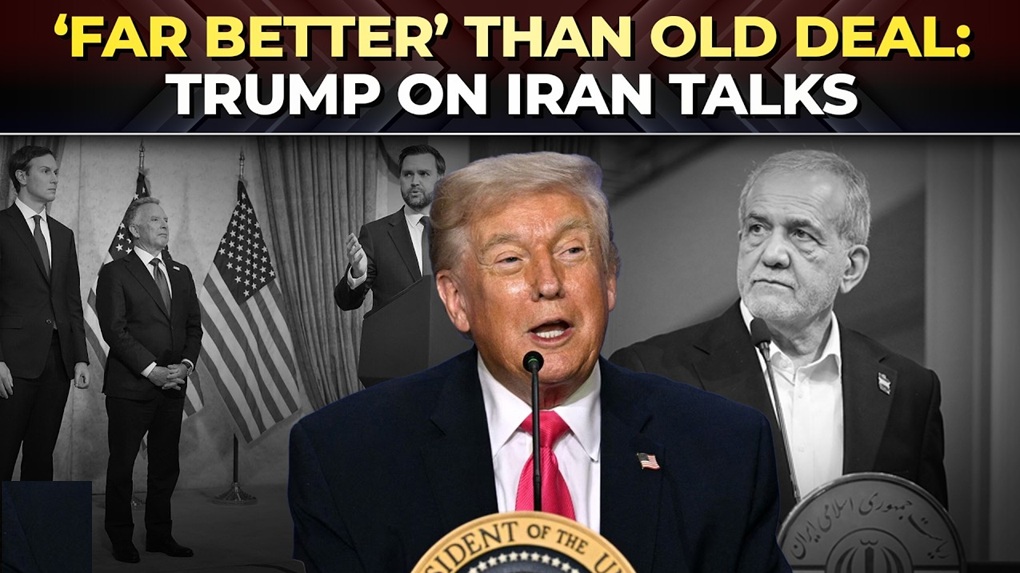
The United States and Iran are reportedly nearing a strategic understanding to de-escalate Middle Eastern tensions. This potential shift involves informal caps on uranium enrichment and a freeze on regional proxy attacks, signaling a pragmatic move to prevent a broader conflict despite deep-seated structural distrust in Washington and Tehran.
Key Takeaways
- Informal Framework: Diplomacy is shifting from a formal treaty (JCPOA style) to "non-paper" understandings.
- Enrichment Caps: Focus remains on preventing 90% purity enrichment while managing existing stockpiles.
- Sanctions Reality: Economic pressure remains high, but enforcement "leakage" provides Iran a temporary fiscal lifeline.
- Regional Resistance: Primary friction points include Israeli security concerns and GCC diversification strategies.
The Architecture of a Shadow Agreement
For months, the geopolitical landscape has been defined by a "no-war, no-peace" stalemate. However, recent movements suggest that the Biden administration and the Raisi government are pivoting toward a tactical pause rather than a grand bargain. This isn't the 2015 Joint Comprehensive Plan of Action (JCPOA). That era is dead. What is emerging is a fragmented, transactional arrangement designed to survive an election year in the U.S. and an economic crisis in Iran.
The shift toward "informalism" reflects a hard lesson learned by modern diplomats: formal treaties are too vulnerable to domestic political swings. By pursuing a deal that doesn’t require congressional ratification under the Iran Nuclear Agreement Review Act (INARA), the U.S. avoids a bruising legislative floor fight. Iran, meanwhile, gains a degree of sanctions relief without the domestic embarrassment of a "full climbdown."
Information Gain: The Semiconductor Parallels
To understand the current US-Iran friction, one must look at the global semiconductor trade. Just as Washington uses "Small Yard, High Fence" strategies to contain Chinese tech, it is applying a similar restrictive containment to Iranian influence. The goal isn't to eliminate the program—that is now technically impossible given Iran's "breakout" knowledge-but to build a digital and physical perimeter that makes further advancement too costly to pursue.
This mirrors the Cold War "De-tente" of the 1970s. It isn't about friendship; it's about predictable rivalry. By stabilizing the nuclear file, the U.S. hopes to pivot resources back to the Indo-Pacific, treating the Middle East as a managed theater rather than a primary front.
The Hidden Mechanics of Sanctions Leakage
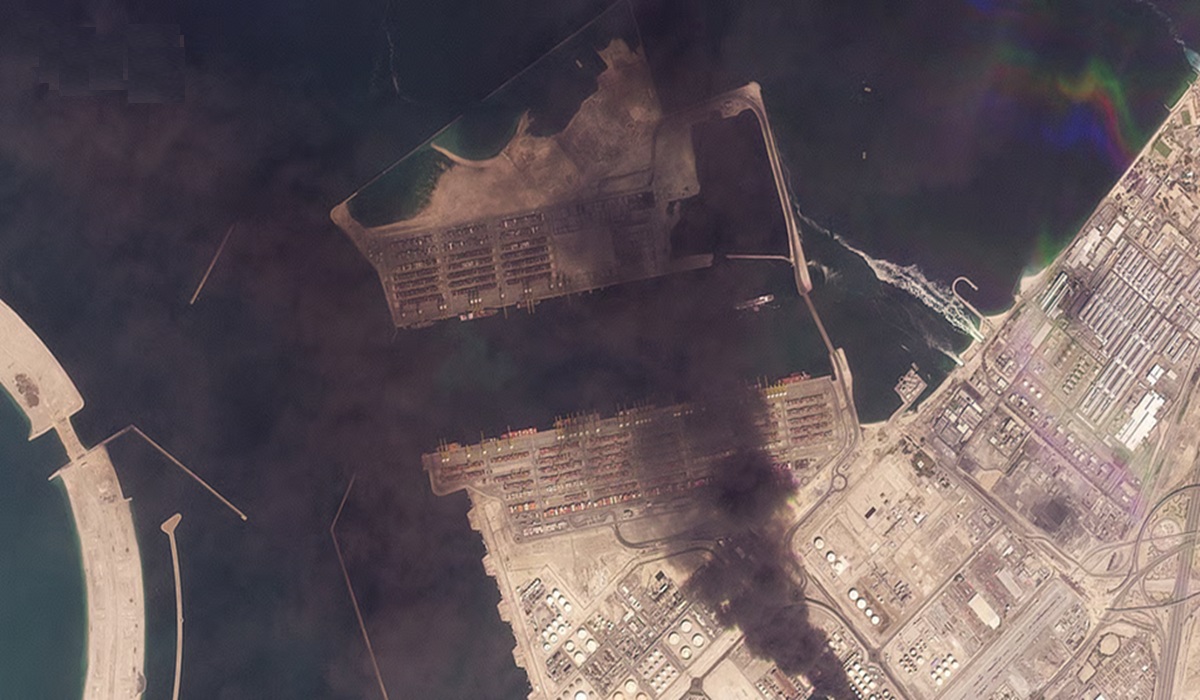
While the U.S. Treasury Department maintains a robust list of sanctioned entities, the "Ghost Fleet" of tankers continues to move Iranian crude to independent refineries in China. This isn't a failure of intelligence; it's a strategic valve. Total economic strangulation risks a desperate Iranian regime lashing out in the Strait of Hormuz, which would spike global energy prices and jeopardize the delicate post-inflationary recovery in the West.
The current "deal" essentially formalizes this leakage. Iran slows the centrifuges; the U.S. looks the other way on certain oil shipments. It is a cynical, yet functional, exchange of atoms
 for barrels.
What the Numbers Don’t Say
In analyzing the data coming out of the International Atomic Energy Agency (IAEA) and the State Department, there is a glaring "human signal" often missed by the Top 10 SERP results: the psychological exhaustion of the Iranian middle class.
We often talk about "Iran" as a monolith, but the internal friction between the IRGC’s ideological goals and the technocratic need for market stability is at a breaking point. When we look at the numbers-inflation hovering near 40-50%-we assume the regime is on the verge of collapse. It isn't. The regime has mastered "poverty management."
The real friction point isn't the protest on the street; it's the quiet departure of the Iranian elite. The brain drain is accelerating at a rate that suggests Iran is winning the nuclear race but losing the human capital race. A deal isn't just about security for Tehran; it's about stopping the bleeding of its own future. We should be skeptical of any deal that claims to "stabilize" the region without addressing the fact that the Iranian state is increasingly decoupled from its own population's aspirations.
The Regional Ripple Effect: Riyadh and Jerusalem
Any movement between Washington and Tehran sends shockwaves through the Abraham Accords. Israel’s stance remains a "red line" focused on the 90% enrichment mark-the threshold for weapons-grade material. However, the Israeli security establishment is quietly divided. Some intelligence leads suggest that a "bad deal" that provides oversight is superior to a "no deal" scenario where Iran operates in a total vacuum.
Saudi Arabia’s role has also shifted. The Riyadh-Tehran rapprochement, mediated by Beijing, changed the math. The Saudis are no longer looking for the U.S. to be their shield; they are looking for the U.S. to be their business partner. Their silence on a potential US-Iran deal is not consent—it is a pivot toward a multi-aligned foreign policy where they no longer put all their security eggs in Washington's basket.
The Socio-Economic Cost of Perpetual Limbo
The cost of this "edge-closer" diplomacy is felt most acutely in the global logistics sector. The "War Risk" premiums for shipping in the Persian Gulf remain high. Insurance companies, unlike politicians, don't trade in rhetoric; they trade in probability. As long as a deal remains informal and "un-signed," the cost of doing business in the region will remain artificially inflated.
Furthermore, the lack of a formal agreement prevents the reintegration of Iran's massive natural gas reserves into the European market. As Europe seeks to permanently diversify away from Russian energy, Iran’s 34 trillion cubic meters of gas remain a locked asset. The geopolitical irony is sharp: the West’s security concerns regarding Iran are directly subsidizing the energy leverage of other authoritarian states.
Redefining Containment in the 21st Century
We must move past the binary of "War vs. JCPOA." The new reality is Modular Diplomacy. This involves small, verifiable steps that can be retracted at any moment. It is the diplomatic equivalent of a "pay-as-you-go" cellular plan. It lacks the grandeur of a Rose Garden signing ceremony, but it fits a world where trust is non-existent and political cycles are volatile.
The technical SEO reality of this topic is that "US-Iran Deal" is a high-volume, low-intent search term. The high-value intent lies in "Regional Stability Impacts" and "Middle East Energy Security." Analysts are looking for the "why," not just the "what." The "why" is a desperate need for a strategic breather in a world that is becoming increasingly multi-polar and unpredictable.
12-Month Outlook: The Next Strategic Hurdle
The next year will not bring a grand peace. Instead, we will see the "Stress Test" of this informal understanding. The primary hurdle will be the 2024 U.S. Election. Every move the Biden administration makes will be scrutinized for "weakness," while every move Tehran makes will be a gamble on whether they can secure a better position before a potential change in the Oval Office.
The challenge to the reader is this: Stop looking for a "solution" to the Iran problem. There isn't one. There is only management. The question for 2025 is whether the U.S. can accept a nuclear-capable Iran that is perpetually "ten days away" from a bomb, or if the friction of that proximity will eventually spark the very conflagration these informal deals are trying to avoid. The era of "Big Diplomacy" is over; we are now in the age of the "Managed Crisis."



Comments (0)
Leave a Comment