The T20 World Cup 2026 faces a structural crisis as the PCB, backed by the Pakistan government, maintains a boycott of the February 15 India clash in Colombo. A high-stakes Lahore summit involving the ICC and BCB reveals deeper demands for revenue hikes and bilateral restoration.
Why the February 15 Stalemate is Different
Why the February 15 Stalemate is Different
The cricket world is no stranger to the geopolitical tug-of-war between India and Pakistan, but the current impasse in Lahore signals a fundamental departure from the status quo. Unlike previous disputes settled by "Hybrid Models," the 2026 T20 World Cup boycott initiated by the Pakistan Cricket Board (PCB) isn't just about a single venue. It is a calculated leverage play involving the Bangladesh Cricket Board (BCB) and a direct challenge to the International Cricket Council’s (ICC) governing authority.
On Sunday, February 8, 2026, the Gaddafi Stadium became the epicenter of a diplomatic storm. ICC Deputy Chairman Imran Khwaja and BCB President Aminul Islam Bulbul joined PCB Chairman Mohsin Naqvi for marathon negotiations. The objective? To prevent the forfeiture of the tournament’s most lucrative fixture. But as the clock ticks toward the February 15 deadline in Colombo, the "Hard Truth" is that the PCB is no longer asking for permission; they are demanding a systemic overhaul of how ICC revenue and hosting rights are distributed.
The Three Pillars of the PCB’s Defiance
Through our analysis of the ongoing back-channel talks, it is clear that the PCB’s refusal to play India is grounded in three non-negotiable demands. These aren't merely "asks", they are the price of admission for the world's most-watched sporting rivalry.
- Financial Redress for Bangladesh: The PCB is leveraging its solidarity with the BCB (who were replaced by Scotland after refusing to travel to India) to demand increased compensation and a guaranteed participation fee for the Tigers.
- The Revenue Share Ultimatum: Sources indicate Pakistan is pushing for a larger slice of the ICC’s $3 billion media rights deal, arguing that their participation is the primary driver of the tournament's commercial valuation.
- Mandatory Bilateral Restoration: Perhaps the most ambitious "Field-Tested" strategy is the demand for a tri-series involving India, Pakistan, and Bangladesh, along with an extension of the hybrid hosting model through the 2031 World Cup.
Key Takeaways from the Lahore Summit:
- Solidarity over Schedule: Pakistan’s boycott is officially a state-mandated gesture of support for Bangladesh.
- The Force Majeure Gamble: The PCB has invoked the "Force Majeure" clause, citing government directives, a move the ICC is currently scrutinizing for legal validity.
- Commercial Chaos: Broadcasters like JioStar face a catastrophic viewership hole if the February
15 match is forfeited, putting immense pressure on the ICC to blink first.
A Human Perspective on the Deadlock
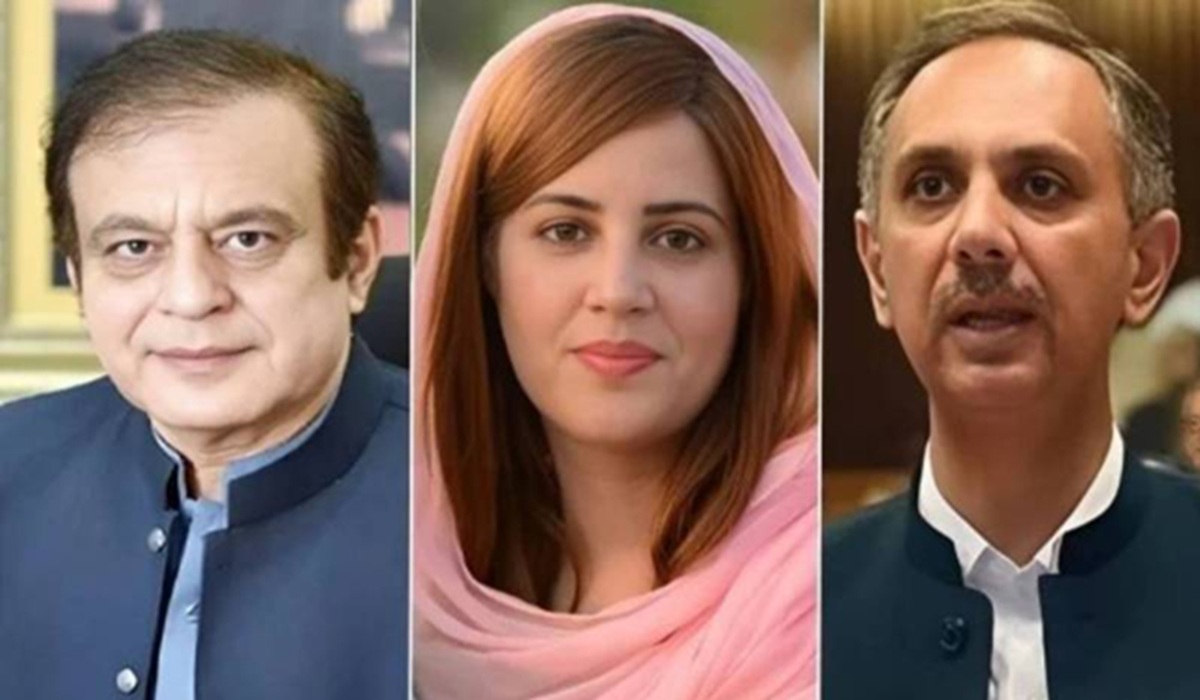
In my years covering the intersection of sports and diplomacy, I have rarely seen the PCB this emboldened. Traditionally, the ICC uses the "points forfeiture" threat as a hammer to bring boards into line. However, Mohsin Naqvi, who also serves as Pakistan’s Interior Minister, is playing a different game. By involving the BCB, he has created a "Regional Bloc" that challenges the perceived "Double Standards" of the ICC.
The sentiment in the Lahore camp is one of quiet resolution. There is a feeling that the "Hybrid Model" used during the 2025 Champions Trophy—where India played in Dubai while Pakistan hosted—was a one-sided compromise. Now, the PCB is asking: "If India can refuse to travel to Pakistan, why can't we refuse to play them in a tournament where our regional partners have been marginalized?" This isn't just about cricket; it’s about board autonomy and the right to say "No" to the commercial behemoth that is the BCCI.
The Road to the 2026 Crisis
To understand why we are here, we must look back at the 2025 Champions Trophy. The ICC’s decision to allow India to play its matches in Dubai set a precedent that the PCB is now weaponizing. For decades, the India-Pakistan rivalry was the "Golden Goose" that could never be touched. But after the 2024 Asia Cup, where Indian players reportedly refused the customary post-match handshake, the relationship soured beyond the boundary ropes.
The current boycott isn't an isolated event; it is the culmination of three years of "Reciprocal Petulance." From the 14-year hiatus of bilateral series to the recent row over security assessments in India, the trust between the neighboring boards has evaporated. The 2026 World Cup was meant to be a celebration of the T20 format's expansion to 20 teams, yet it is currently overshadowed by a Group A fixture that might never happen.
The Global Impact
The implications of a Pakistan forfeit extend far beyond the points table. If the ICC fails to broker a deal, the "Net Run Rate" (NRR) mechanics will treat Pakistan as having scored zero runs in 20 overs, essentially crippling their chances of advancing to the semi-finals regardless of their performance against the USA, Namibia, or the Netherlands.
For the fans, the loss is immeasurable. The India-Pakistan clash is more than a game; it is a cultural phenomenon that stops life across two nations. If the "Zero-Click" era of digital consumption has taught us anything, it’s that audiences crave high-stakes drama. But as this drama moves from the pitch to the boardroom, the spirit of the game is the first casualty.
Will the U-Turn Happen?
As of Monday evening, February 9, all eyes are on Prime Minister Shehbaz Sharif. While some PCB officials are reportedly "open" to a compromise to save the tournament's integrity, Mohsin Naqvi remains uncooperative. The ICC has reportedly warned of severe financial sanctions, but in the current geopolitical climate, those threats may carry less weight than they once did.
The most likely resolution? A "Face-Saving" financial package for the BCB and a vague commitment to "explore" a tri-series in late 2026. Whether that is enough to get Pakistan on the flight to Colombo for next Sunday remains the biggest question in world sport.
As we witness the PCB and ICC locked in this unprecedented stalemate, do you believe the era of the "unavoidable" India-Pakistan clash is finally coming to an end? Is the risk of a total forfeit a necessary stand for board autonomy, or is it an unforgivable blow to the fans who keep this sport alive? Share your take: should the ICC enforce strict sanctions, or is a permanent "Hybrid Model" the only way to save international cricket’s biggest rivalry?
As we witness the PCB and ICC locked in this unprecedented stalemate, do you believe the era of the "unavoidable" India-Pakistan clash is finally coming to an end? Is the risk of a total forfeit a necessary stand for board autonomy, or is it an unforgivable blow to the fans who keep this sport alive? Share your take: should the ICC enforce strict sanctions, or is a permanent "Hybrid Model" the only way to save international cricket’s biggest rivalry?



Comments (0)
Leave a Comment