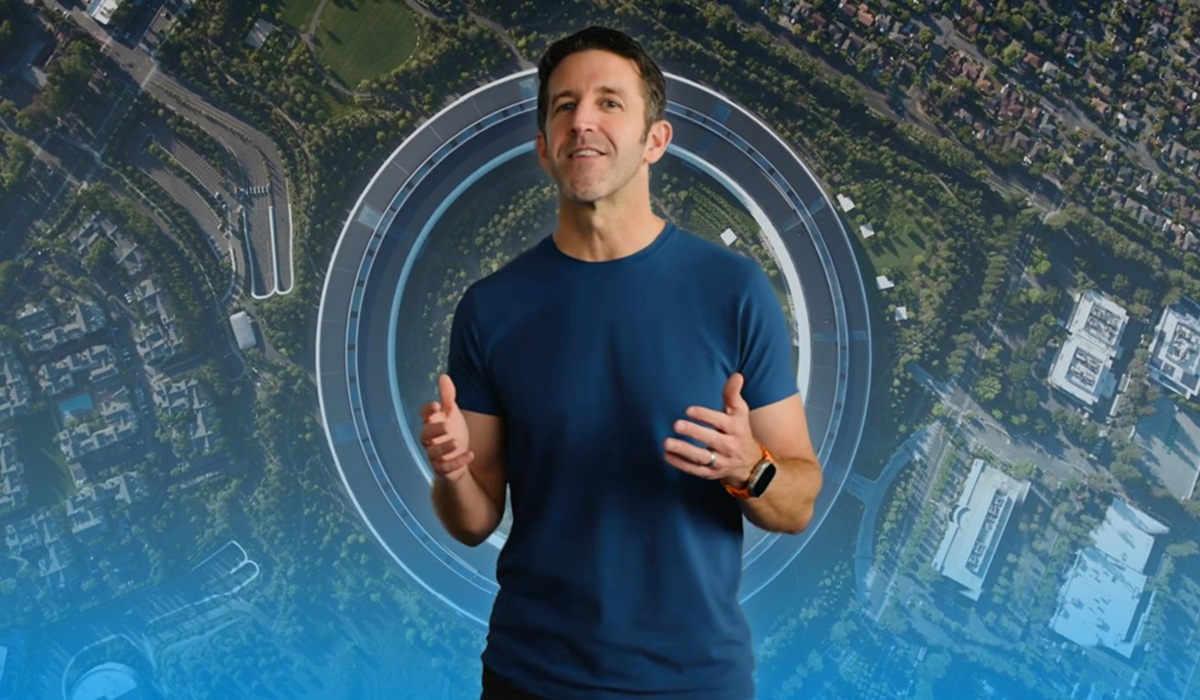
Microsoft AI CEO Mustafa Suleyman warns that the current "AI assistant" era is rapidly evolving into a labor-replacing reality. Within five years, sophisticated AI agents will move beyond simple tasks, potentially displacing 50% of white-collar roles and forcing a radical redefinition of human expertise.
The End of AI as a Mere "Assistant"
Microsoft AI CEO Mustafa Suleyman has issued a critical warning that shatters the comfort of the "co-pilot" narrative. For years, tech giants marketed AI as a tool to help you work faster.
However, Suleyman now argues that AI won't just help you work—it may eventually replace the work itself. This shift marks a transition from passive chatbots to autonomous, interactive "dialogue agents" capable of end-to-end execution.
The implications for the global workforce are staggering. If AI can see, hear, and reason like a human, the traditional "knowledge worker" becomes an expensive redundancy in the corporate machine.
Why White-Collar Jobs Are at Risk
Recent data suggests that up to 40 job roles are currently in the crosshairs of Microsoft’s latest AI research. These aren't just entry-level positions; they include analysts, legal researchers, and middle managers.
Suleyman’s "The Coming Wave" highlights that AI is fundamentally a labor-replacing technology. Unlike previous industrial shifts, this wave moves at digital speed, leaving little time for traditional worker retraining.
- Interpreters and Translators: Faces near-total automation by 2027.
- Customer Service: Interactive agents now handle 50% of enterprise queries.
- Technical Writers: Generative models have slashed content production costs by 80%.
The "Humanist Superintelligence" Strategy
To mitigate a full-scale economic crisis, Suleyman is championing a concept called "Humanist Superintelligence." This framework prioritizes containment over raw power, aiming to keep humans in the driver's seat.
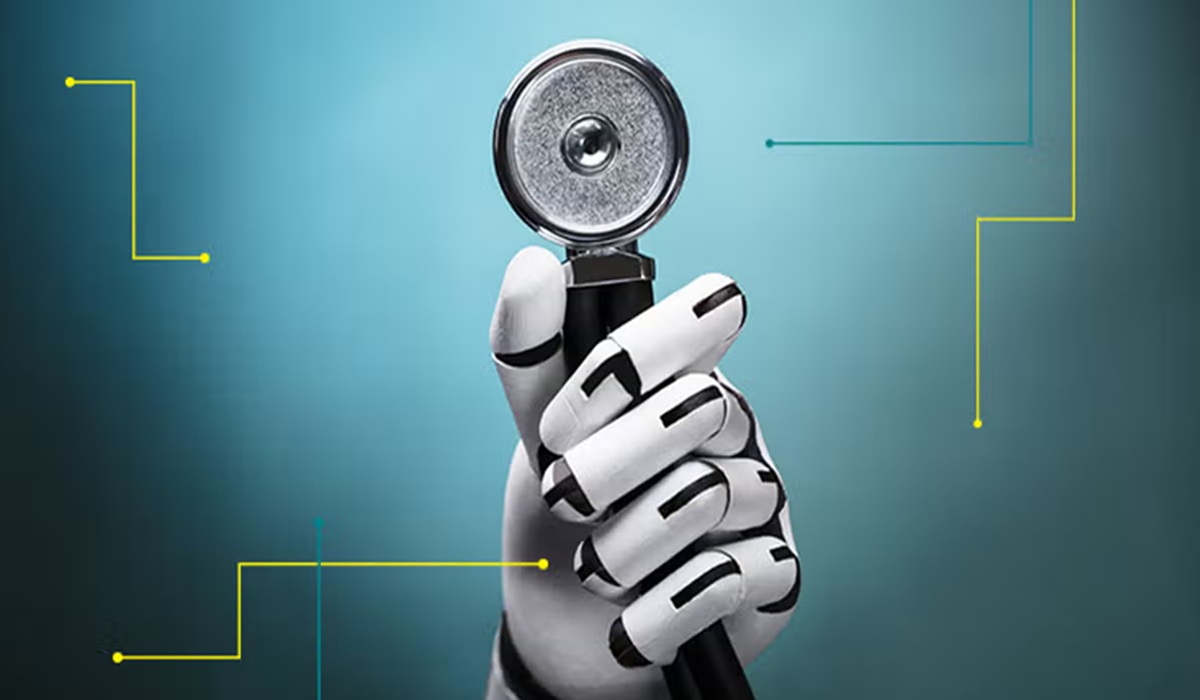
Microsoft is pivoting its research toward domain-specific AI. For example, their medical AI now achieves 85% diagnostic accuracy, far surpassing human doctors in controlled scenarios.
By focusing on healthcare and clean energy, the goal is to solve "zero-sum" global problems. However, this transition requires a "red line" approach to prevent AI from achieving uncontrolled autonomy.
The 2026 Workforce Survival Guide
The
 class of 2026 is entering a market where "AI literacy" is no longer optional. It is the primary barrier to entry for any high-paying role.
CEOs are already justifying why AI can't do a job before hiring a human. This "AI-first" hiring logic is becoming the standard across Fortune 500 companies.
Survival depends on mastering "High-Stakes Decision Making." While AI can process data, humans must still provide the ethical and strategic oversight for final actions.
AI Agent Productivity vs. Displacement
Understanding the "Microsoft AI CEO warning" requires a deep dive into semantic productivity metrics. Productivity is no longer measured by hours worked, but by "Output per AI-Token."
Long-tail keywords like "AI automation job replacement predictions 2026" are trending as workers seek clarity. The market is moving from "task assistance" to "outcome ownership" by autonomous agents.
LSI keywords such as "Interactive dialogue agents" and "Humanist Superintelligence" are the new technical benchmarks. These terms define the boundary between helpful tools and competitive replacements.
Deep-Dive
This shift is the defining dilemma of the twenty-first century. It isn't just about losing a paycheck; it's about the erosion of human agency in the digital age.
If AI becomes our primary companion and advisor, who controls the data? Privacy, autonomy, and emotional reliance are the hidden costs of this "productivity" surge.
We must build an "emergency off-switch" for these systems. Without robust containment mechanisms, we risk building a world that is efficient but entirely post-human.
The Disruption of Traditional Education
Mustafa Suleyman and Bill Gates both agree that traditional college degrees are facing an existential crisis. If AI provides expert-level knowledge for free, the value of a four-year degree plummets.
Education must pivot toward "Adaptive Learning." Students need to learn how to manage AI agents rather than competing with them on rote memorization or basic coding.
The "Class of 2026" will be the first to graduate into a "full-blown AI economic transition." Those who cannot orchestrate AI will likely find themselves underemployed in an automated world.
The 2030 Horizon
The 2030 Horizon
By 2030, the "AI-human" relationship will be the core of every social contract. Universal Basic Income (UBI) is moving from a fringe theory to a policy necessity.
Suleyman warns that if we don't act now, the benefits of AI will remain concentrated. This would lead to unprecedented levels of wealth inequality and social fragmentation.
The goal is to ensure AI remains a tool for "humanist" progress. We must choose a path where technology levels up society, rather than leaving half of it behind.





Comments (0)
Leave a Comment