Saudi Arabia’s $1.2 billion oil facility has stabilized Pakistan’s dwindling foreign exchange reserves, preventing a short-term liquidity crisis. This strategic intervention bridges a critical funding gap as Islamabad navigates rigorous IMF reforms and seeks long-term fiscal sustainability.
The financial tightrope walk that defines Pakistan’s economy just received a high-stakes safety net. This week, the Saudi Fund for Development (SFD) formalized a $1.2 billion deferred payment facility for oil products, a move that does more than just balance a ledger. It provides a momentary reprieve for a central bank that has seen its breathing room vanish under the weight of debt servicing and a stubborn trade deficit.
To understand the gravity of this "largesse," one must look past the immediate infusion of capital. This isn't a simple loan; it is a geopolitical insurance policy. In an era where the International Monetary Fund (IMF) demands strict adherence to market-driven currency rates and the removal of subsidies, the Saudi intervention serves as the "buffer of last resort." Without this $1.2 billion, the State Bank of Pakistan (SBP) would have faced an agonizing choice: allow the rupee to undergo another destabilizing devaluation or risk a sovereign default that would shutter the economy.
The Anatomy of a Liquidity Crunch
Pakistan’s economic landscape has been characterized by a "stop-go" cycle for decades. Growth leads to imports; imports lead to a current account deficit; the deficit leads to a reserve crisis. What makes this specific moment unique is the convergence of global energy volatility and the stringent conditions of the current $7 billion IMF Extended Fund Facility (EFF).
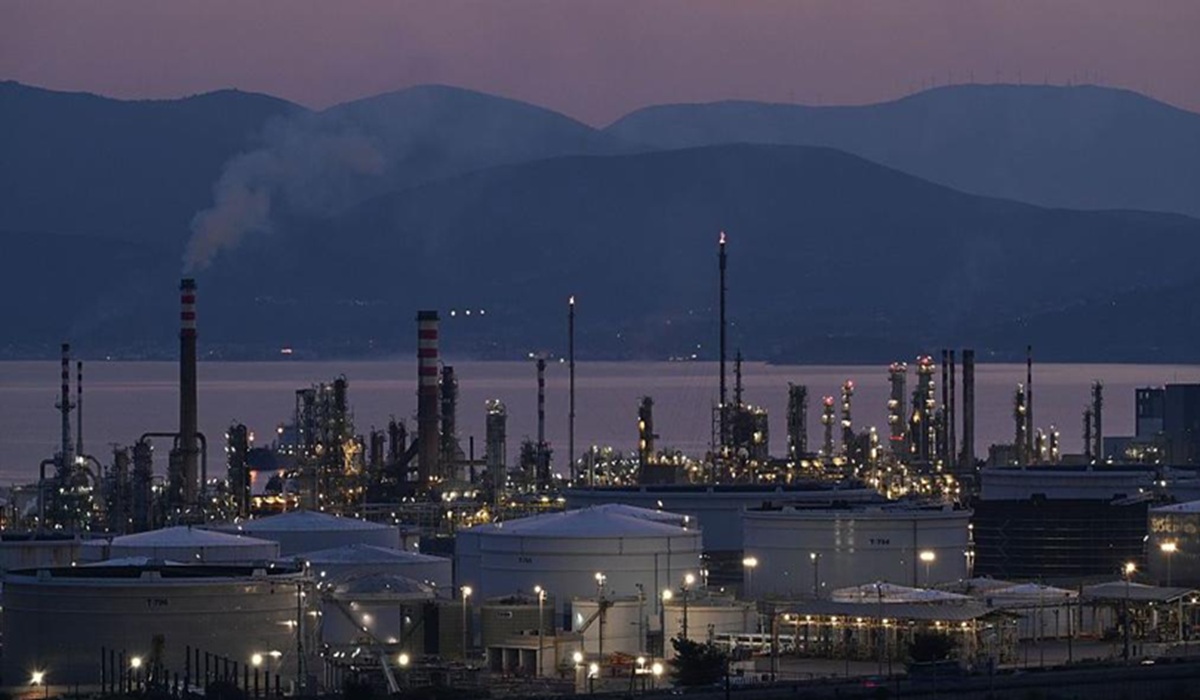
The Saudi oil facility allows Pakistan to import essential energy without an immediate outflow of US dollars. By deferring these payments, the government can redirect its limited liquid reserves toward other critical obligations, such as debt repayments to multilateral lenders and the financing of essential machinery imports.
Beyond the Bailout: The Geopolitical Price of Stability
For Riyadh, this is not merely an act of brotherly benevolence. It is a calculated move within a broader regional strategy. As Crown Prince Mohammed bin Salman pivots the Kingdom toward "Vision 2030," Saudi Arabia is increasingly using its financial might to secure regional stability. A collapsed Pakistan is a security nightmare for the Gulf; a stabilized Pakistan is a potential market for Saudi investment in mining, agriculture, and refineries.
However, the "Human Signal" here is often missed by mainstream financial analysts.
The Hidden Friction of Dependence
While the headlines celebrate the $1.2 billion "plug," there is a deep, systemic skepticism brewing within the Pakistani business community. In our discussions with Karachi-based textile exporters and Lahore’s tech entrepreneurs, a common thread emerges: the "addiction to the bridge."
We have observed that
 every time a Gulf nation or China steps in with a deposit or a deferred facility, the urgency for structural reform in Islamabad visibly cools. The "hidden friction" is that these bailouts may actually be prolonging the very inefficiency they seek to cure. By easing the immediate pain of the reserve hole, the political cost of widening the tax base or privatizing loss-making State-Owned Enterprises (SOEs) becomes easier to avoid. We aren't just looking at a reserve hole; we are looking at a "reform hole" that no amount of Saudi oil can permanently fill.
Lateral Expansion: The 1990s Debt Trap vs. The 2026 Reality
To grasp the current stakes, one must compare this to the Asian Financial Crisis of the late 90s. Then, nations like South Korea and Thailand faced similar reserve depletion. The difference? Those nations used their "bridge loans" to pivot toward aggressive export-led growth.
Pakistan, conversely, is using its bridge to maintain a status quo of consumption. The socio-economic ripple effect is profound. When the SFD provides oil on credit, it keeps the local pumps running, which prevents civil unrest. But because the underlying energy infrastructure remains inefficient—riddled with "circular debt"—the Saudi largesse is essentially subsidizing a leaking bucket.
Key Takeaways for Market Observers
- Immediate Stability: The $1.2 billion facility ensures that Pakistan's foreign exchange reserves remain above the "critical" 6-week import cover mark.
- IMF Compliance: This move was likely a prerequisite from the IMF, which requires "assured financing" from bilateral partners before releasing its own tranches.
- Energy Security: The facility specifically targets oil, reducing the immediate impact of global Brent crude fluctuations on the local rupee-dollar parity.
- Strategic Debt Shifting: Pakistan is effectively swapping immediate commercial debt pressure for long-term bilateral obligations.
The Case Study: SIFC and the Pivot to Investment
The Special Investment Facilitation Council (SIFC) is the vehicle through which Pakistan hopes to transform this "largesse" into "investment." The Saudi government has expressed interest in the Reko Diq gold and copper mines, as well as a massive greenfield refinery project.
If these projects move from "Memorandums of Understanding" (MoUs) to "Capital Expenditures" (CapEx), the $1.2 billion oil facility will be remembered as the bridge that worked. If they stall due to bureaucratic red tape or political instability, this will be just another line item in a mountain of unsustainable debt.
Future Forecast: The 2027 Cliff
While the current reserves are "plugged," a massive repayment cliff looms in late 2026 and early 2027. Pakistan’s external financing requirements are projected to exceed $25 billion annually for the next three years.
The Projected Milestones:
- Q3 2026: First major repayments of the restructured Chinese and Saudi deposits.
- Q4 2026: Potential return to international capital markets (Eurobonds) if the credit rating improves.
- H1 2027: The ultimate test of whether the SIFC-driven investments have generated enough export revenue to cover debt servicing.
The Next Strategic Hurdle
The real challenge is no longer "finding the money"-the Saudis, Emiratis, and Chinese have shown they will not let Pakistan go under. The challenge is "absorbing the money."
Pakistan’s economy is currently a "bottleneck economy." Even when capital is available, the energy grid cannot support massive industrial expansion, and the tax structure disincentivizes formal growth. The Saudi largesse has bought the government twelve months of peace. The question remains: will those months be spent building an export engine, or simply waiting for the next hole to appear?
The reader must ask: Is a nation truly sovereign if its central bank's survival depends on the quarterly decisions of a foreign fund? The answer to that question will define the next decade of the South Asian geopolitical landscape.



Comments (0)
Leave a Comment