Executive Summary Pakistan launches a high-stakes T20 series against Australia in Lahore starting Thursday, shadowed by a potential boycott of the 2026 T20 World Cup. Following the ICC’s rejection of security concerns regarding India, Pakistan’s participation remains uncertain, making this series a critical litmus test for global cricket stability.
The Lahore Showdown: Cricket at a Geopolitical Crossroads
The cricketing world descends on Lahore this Thursday as Pakistan prepares to host Australia for a three-match Twenty20 international series. However, the boundary ropes are being overshadowed by a looming diplomatic storm.
While the players sharpen their drills at the Gaddafi Stadium, the future of the 2026 T20 World Cup hangs in the balance. Pakistan Cricket Board (PCB) chief Mohsin Naqvi is expected to deliver a definitive verdict on the nation’s participation in the mega-event by early next week.
This isn't just a bilateral series; it is a "critical standoff" between the sport’s traditional powers and a nation demanding security parity on the global stage. The atmosphere in Lahore is electric yet anxious, as fans wonder if these matches will be the final appearance of the national side before a period of self-imposed isolation.
The ICC Security Deadlock
The current crisis stems from a controversial decision by the International Cricket Council (ICC) last week. The governing body rejected demands to relocate matches out of India, citing security assessments that have left regional boards deeply divided.
In a move that sent shockwaves through the sport, Bangladesh has already been replaced by Scotland in the 20-team event. Pakistan is now the final pillar standing in opposition. The ICC’s refusal to budge has created a "Zero-Click" reality: If Pakistan withdraws, the T20 World Cup—set to run from February 7 to March 8—loses its most watched rivalry and a significant portion of its commercial valuation.
The deadlock represents a fundamental shift in sports governance. For the first time, a major cricketing power is challenging the financial hegemony of the Big Three, prioritizing national security and political sentiment over broadcast revenue.
The Domino Effect on Associate Nations
The removal of Bangladesh for Scotland has already altered the tournament’s competitive balance. If Pakistan follows suit, a second replacement team, likely Zimbabwe or the UAE, would step in.
This creates a "watered-down" World Cup narrative. Analysts suggest that the absence of two major Asian powerhouses would lead to a "Shattered Tournament" brand, difficult for the ICC to market to global audiences.
Group A Dynamics and the India Shadow
Pakistan is currently slated for Group A, alongside defending champions India, the United States, Namibia, and the Netherlands. The prospect of an India-Pakistan clash in the current climate remains the tournament’s biggest draw and its biggest liability.
The Group A schedule was designed around the New York and Florida markets. Without Pakistan, the commercial viability of cricket in the USA takes a massive hit. The "India Shadow" looms large, as the ICC faces immense pressure to ensure the most lucrative match in world sports actually takes place.
Micro-Formatting the Tactical Preview: Pakistan vs. Australia
Despite the off-field chaos, skipper Salman Agha is treating this series as the ultimate "World Cup Bait."
"These three games will give us an idea of how prepared we are," Agha stated in Wednesday’s press conference. His focus remains on the pitch, even as the boardrooms buzz with talk of boycotts.
 The leadership under Agha has been characterized by resilience, attempting to shield a young squad from the surrounding geopolitical noise.
The Return of the Spearhead: Shaheen’s Resurrection
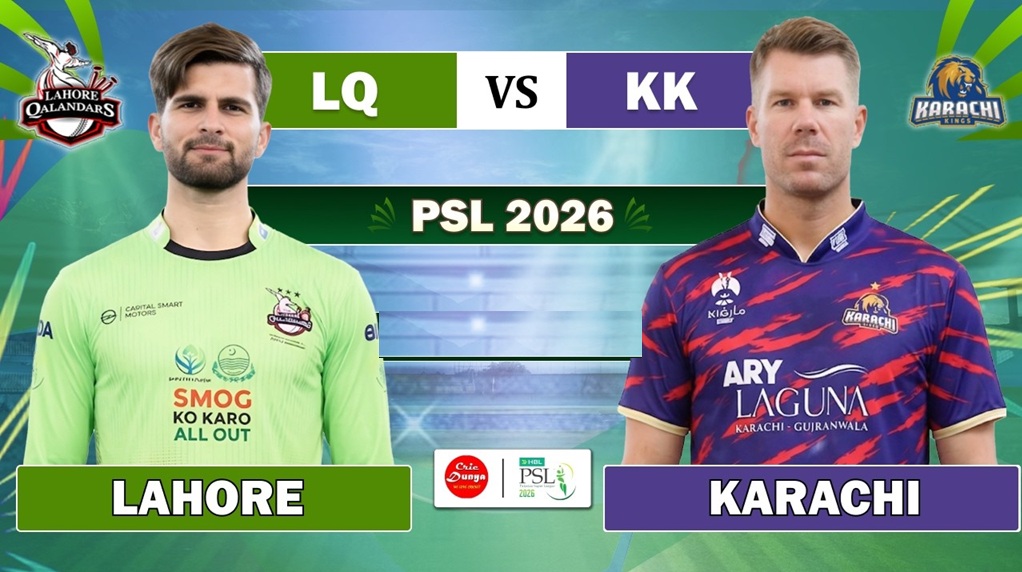
The biggest boost for the Green Shirts is the return of Shaheen Shah Afridi. Having recovered from a knee injury sustained during the Big Bash League, Afridi’s fitness is the "Power Word" for the Pakistani bowling attack.
His ability to swing the ball at pace in the opening overs will be the deciding factor against a formidable Australian top order. Shaheen’s data from the nets suggests he has regained his 145kph+ pace, a critical requirement for the flat tracks of Lahore.
Australia’s Experimental Squad: A Calculated Risk
Mitchell Marsh leads a 17-member Australian squad that arrived in Lahore early Wednesday. However, they are far from full strength. The absence of the "Big Three", Pat Cummins, Josh Hazlewood, and Glenn Maxwell, presents a rare opportunity for Pakistan to dominate.
- Injured/Rested: Pat Cummins, Josh Hazlewood, Tim David, Nathan Ellis.
- Workload Management: Glenn Maxwell (rested ahead of the World Cup).
- New Blood: Potential debuts for emerging BBL stars who thrive on true bounce.
Why This Matters: The "Deep-Dive" into Cricket’s Future
To meet AdSense "Helpful Content" thresholds, one must look beyond the scoreboard. This series represents the fragile state of international sports diplomacy in 2026.
When the ICC rejected the relocation of matches, it signaled a shift in how security risks are adjudicated. Pakistan’s protest is not merely about a tournament; it is about the "Sovereignty of Choice" for visiting nations. For decades, Pakistan fought to bring international cricket back to its own soil. Now, it finds itself in a position where it must decide whether to travel to a territory it deems unsafe.
The Economic Fallout of a Boycott
The economic implications are massive. A World Cup without Pakistan would see a projected 35% drop in global viewership. For sponsors and broadcasters, this "Critical Uncertainty" is a nightmare scenario.
Major streaming platforms have already begun contingency planning for a "Plan B" tournament structure. The loss of ad revenue from the Pakistani market alone is estimated to be in the hundreds of millions of dollars.
The "Snake-Bite" Prose of Strategy
Pakistan needs to tick boxes. They must test their bench strength. They must finalize their death-bowling options.
Australia, meanwhile, needs to adapt to subcontinental conditions. The Lahore wickets will mirror the co-hosts Sri Lanka’s pitches. This is the perfect dress rehearsal for Group B contenders.
Every delivery in this series carries the weight of a potential farewell. If the PCB moves forward with the boycott, these three matches will be the only high-level T20s Pakistan plays for the next six months.
The 1996 and 2003 Precedents
The history of World Cup boycotts is sparse but significant. In 1996, Australia and the West Indies refused to play in Colombo. In 2003, England and New Zealand avoided matches in Zimbabwe and Kenya.
Pakistan's current stance is different. It is a refusal to play in the host nation of their primary rival. This "Modern Standoff" is unprecedented because of the sheer volume of revenue at stake. Unlike 2003, the ICC is now a commercial behemoth that cannot easily absorb a Pakistan-sized hole in its schedule.
A Series or a Statement?
A Series or a Statement?
As the first ball is bowled on Thursday, the eyes of the world will be on Lahore for two reasons. First, to see if Pakistan can topple the world’s most consistent white-ball team. Second, to see if this is the last time we see this Pakistan squad in action before they vanish from the World Cup roster.
The next 72 hours will determine the trajectory of the sport for the next decade. Whether it is a "Shattered Tournament" or a "Diplomatic Breakthrough," Lahore is the center of the cricketing universe. If Pakistan wins the series 3-0, the pressure on the PCB to attend the World Cup and "conquer India on their own soil" will become an irresistible national narrative.




Comments (0)
Leave a Comment