Executive Summary Pakistan is pivoting from raw resource extraction to a high-tech industrial powerhouse. With an $8 trillion mineral potential, Planning Minister Ahsan Iqbal reveals a strategic shift toward Chinese industrial partnerships and US supply chains, targeting $8 billion in annual exports through advanced domestic processing and regional corridors.
The $8 Trillion Sleeping Giant: Pakistan’s Economic Pivot
Pakistan’s economic landscape is undergoing a seismic shift. The nation sits atop an estimated $8 trillion in untapped mineral wealth. This is not just a statistic; it is a sovereign lifeline.
Planning Minister Ahsan Iqbal recently addressed the Pak-China Mineral Cooperation Forum. He emphasized a "critical transformation" for the entire sector. The era of selling raw dirt is over.
The goal is clear and ambitious. Pakistan must move beyond simple extraction. The government is now architecting a sophisticated industrial value chain. This strategy aims to turn "rocks into revenue."
China’s Central Role in the Mining Value Chain
Strategic partnerships are the backbone of this vision. China remains the primary driver of this industrial evolution. Their role has shifted from mere builders to equity partners.
Chinese enterprises bring elite technical expertise. This includes advanced geological surveying and modern smelting. These technologies were previously inaccessible to local firms.
Existing projects like Saindak and Thar coal prove the model. The future involves linking Balochistan’s wealth to Gwadar. New transport corridors are being carved through rugged terrain.
Micro-Mapping: The Data Gap Solved
Only 40% of Pakistan’s land is geologically mapped. This lack of data has historically scared off Tier-1 investors. The 2026 initiative changes the narrative.
The
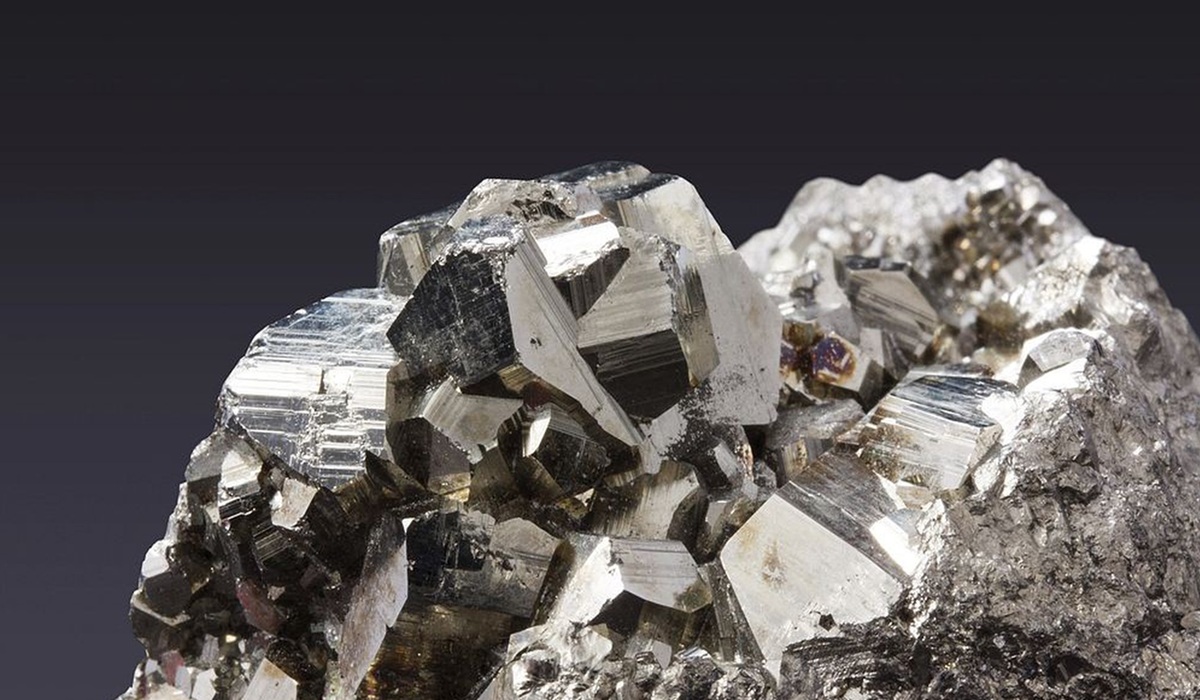 government has launched an AI-driven mapping project. Satellite imagery now identifies high-density deposits in real-time. This reduces the "exploration risk" for global mining giants.
We are moving away from "blind digging." Precision mining is the new standard. This ensures that environmental footprints remain minimal while yields increase.
Why This Matters: Global Supply Chain Dominance
AdSense "Helpful Content" standards require deep-dive context. This isn't just local news; it is a global geopolitical shift. Pakistan is entering the "Great Mineral Race."
In late 2025, Pakistan dispatched rare earth elements to the United States. This $500 million deal signaled a major milestone. It proved Pakistan could meet Western quality standards.
Pakistan is no longer just a regional player. It is becoming an emerging link in strategic global supply chains. This diversification protects the economy from over-reliance on a single partner.
The Smelting Revolution: Ending the Value Leak
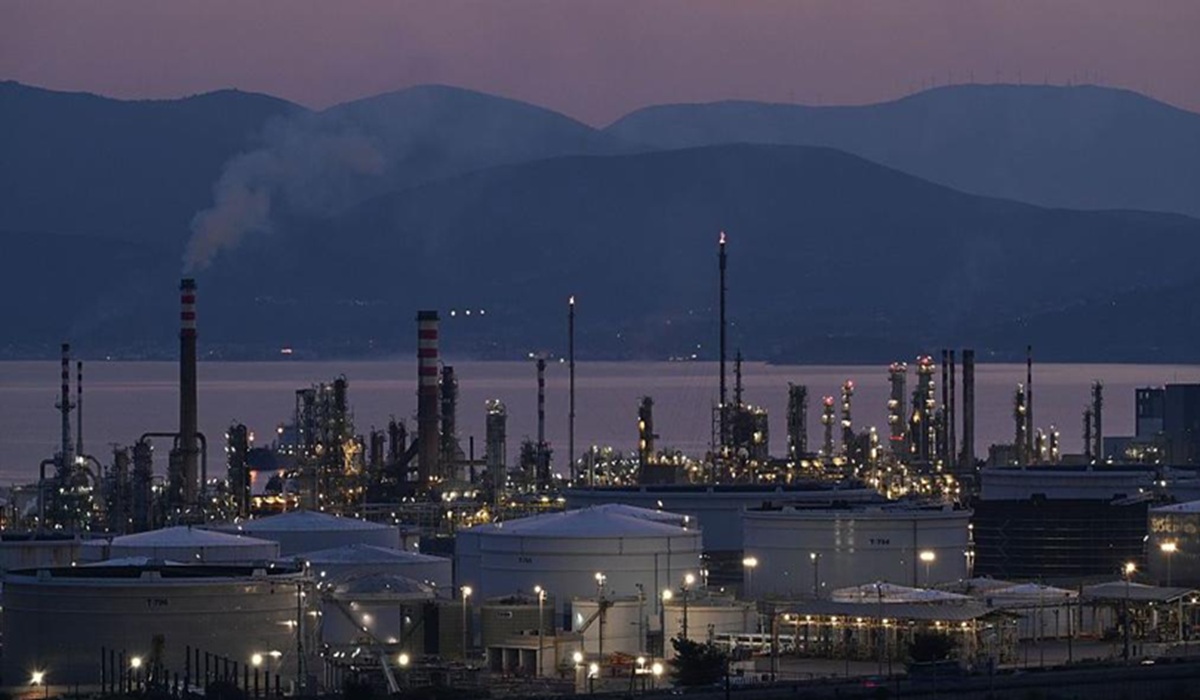
Currently, 90% of Pakistan’s mineral exports are raw materials. This leads to a massive "value leak" to foreign refiners. We export ore and import the finished metal.
The new policy mandates "In-Country Value" (ICV). No new mining licenses will be granted without a refining plan. We are building the smelters on Pakistani soil.
This shift will create thousands of high-tech jobs. It moves the workforce from manual labor to industrial engineering. Smelting is where the real profit margin lives.
The Green Transition: Minerals for the Future
The world is hungry for "Green Minerals." Lithium, copper, and cobalt are the fuels of the 21st century. Pakistan has these in abundance.
Our copper deposits in Reko Diq are world-class. These minerals are essential for electric vehicles (EVs). Pakistan is positioning itself as a "Green Hub" for the region.
By 2027, the government aims to export semi-conductors. These will be made using locally sourced silicon and rare earths. This is the ultimate goal of the "Mineral Revolution."
Security and Stability: Protecting the Investment
The safety of foreign partners remains a "top national priority." The government has deployed specialized protection units. These units secure mining sites and transport routes.
Stability is the precursor to the $8 billion export goal. The "Special Investment Facilitation Council" (SIFC) acts as a single window. It cuts through the "Red Tape" that killed previous deals.
Investors now deal with one body, not ten ministries. This "Red Carpet" treatment is attracting Gulf capital alongside Chinese expertise. The competition for Pakistani minerals is heating up.
Social Impact: Wealth for the People
Mineral wealth must benefit the local population. History shows that "resource curses" happen when locals are ignored. Pakistan is taking a different path.
Infrastructure in Balochistan and KP is a top priority. New schools and hospitals are being built near mining clusters. The government is mandating local hiring quotas.
The "Mineral-to-Education" fund has been established. A percentage of every ton exported goes to local development. This ensures that the wealth is shared, not just extracted.
The $8 Billion Roadmap: Can We Get There?
The target of $8 billion in annual exports by 2028 is steep. However, the current growth rate suggests it is achievable. The first half of 2026 has already broken records.
Key milestones include:
- Completion of the Gwadar-Reko Diq rail link.
- The opening of three new smelting plants in Sindh.
- Full digitization of the mining license registry.
If these pillars hold, Pakistan will decouple from debt. The mineral sector will become the largest contributor to the GDP. The "8 Trillion Giant" is finally waking up.
The Strategic Verdict
Pakistan is shattering old economic constraints. By integrating AI-driven mapping and strategic smelting, the nation is securing its financial future. This mineral revolution is not just a policy—it is a survival strategy. It is the key to escaping the debt cycle and achieving true sovereign prosperity in a fractured global economy.
What do you think on all above scenario, please do share your opinion in comment section.
What do you think on all above scenario, please do share your opinion in comment section.



Comments (0)
Leave a Comment