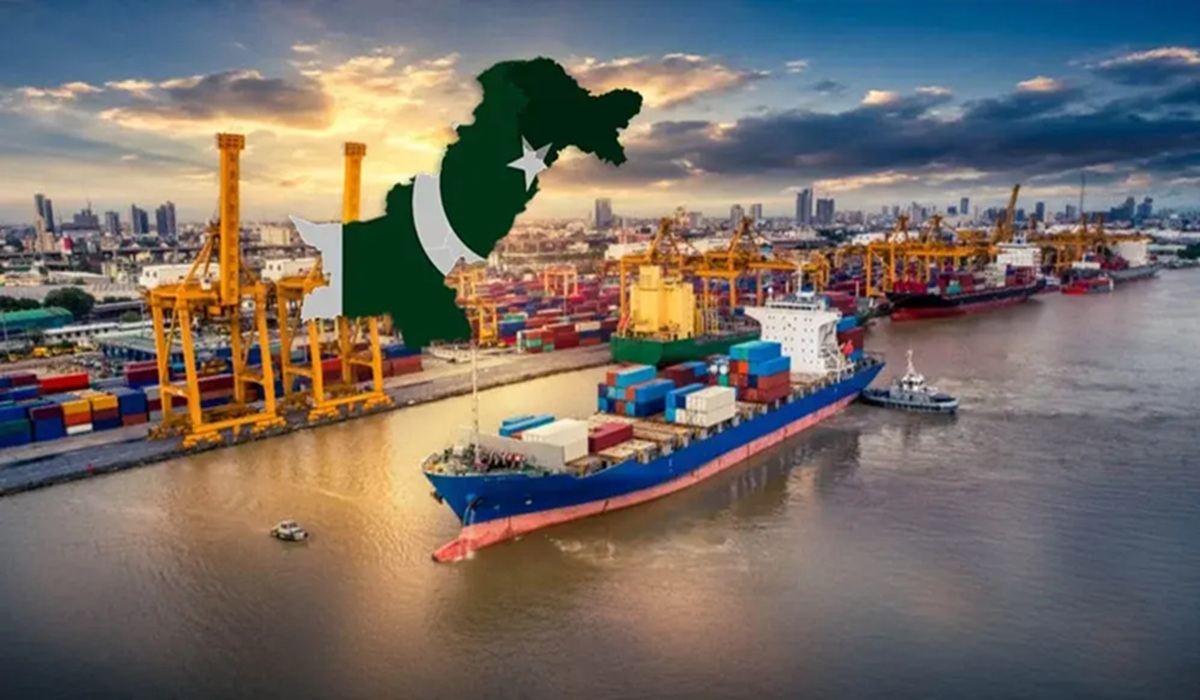
The Pakistan auto market 2026 faces a transformative year defined by the new "Auto Industry Development and Export Policy" (AIDEP). Key shifts include aggressive EV localization, revised customs duties on CKD kits, and mandatory safety features, fundamentally restructuring vehicle pricing and availability for domestic consumers.
The 2026 Pivot: Pakistan’s Automotive Landscape Reborn
The Pakistan auto market 2026 is undergoing a massive structural overhaul. Government authorities have finalized the latest policy frameworks. These updates aim to stabilize a volatile industry.
Investors and consumers are watching closely. The focus has shifted from mere assembly to deep localization. Global players are reassessing their regional strategies.
This year marks a "make or break" period. Supply chain disruptions are finally easing. However, new regulatory hurdles are emerging. Understanding these shifts is vital for stakeholders.
The Economic Impact of Auto Policy
Automotive manufacturing is a pillar of Pakistan’s industrial sector. It contributes significantly to the national GDP. High taxation and currency fluctuations have historically hampered growth.
The 2026 policy news aims to fix these systemic issues. By incentivizing local part production, the government hopes to reduce imports. This protects precious foreign exchange reserves.
Helpful content standards require analyzing the consumer impact. For the average buyer, this means fluctuating car prices. It also means access to better, safer technology. Stability here drives broader economic confidence.
Key Highlights of the 2026 Auto Industry Policy
The new policy introduces several critical changes. First, the duty structure for electric vehicles (EVs) has been slashed. This encourages a transition away from fossil fuels.
Second, the "export-or-pay" penalty is now active. Manufacturers must export a percentage of their production. Failure to do so results in heavy fines.
Third, mandatory safety standards are now non-negotiable. No vehicle can be sold without basic airbags and ABS. This aligns Pakistan with international road safety protocols.
EV Localization and Green Energy Incentives
Electric vehicles are the centerpiece of the 2026 vision. The government offers 0% sales tax on locally assembled EVs. This makes them competitive
 with traditional combustion engines.
Charging infrastructure is expanding across major motorways. Strategic partnerships with private energy firms are accelerating this growth. The goal is 30% EV adoption by 2030.
Revised Customs Duties on CKD and CBU Units
Completely Knocked Down (CKD) kits face new tariff brackets. Higher localization levels earn manufacturers significant tax breaks. This penalizes "screwdriver plants" that rely on imports.
Completely Built Units (CBU) remain heavily taxed. This protectionist measure supports the local labor market. It ensures that global brands invest in local factories.
Market Trends: What to Expect in 2026
The Pakistan auto market 2026 will see a surge in hybrid options. While full EVs are the future, hybrids are the bridge. Consumers prefer them due to limited charging stations.
Compact SUVs continue to dominate the sales charts. They offer better value for money than traditional sedans. Road conditions in Pakistan favor high-clearance vehicles.
Used car imports remain a controversial topic. The government is tightening the "Gift Scheme" rules. This move aims to protect local manufacturers from grey market competition.
The Rise of New Entrants and Global Competition
Chinese automakers are rapidly gaining market share. Brands like Changan, MG, and Haval are disrupting the status quo. They offer premium features at lower price points.
The "Big Three" (Toyota, Honda, Suzuki) are responding with upgrades. They are focusing on fuel efficiency and tech integration. Competition is driving innovation across the board.
For consumers, this variety is a massive win. It breaks the decades-long monopoly of a few players. 2026 is the year of the "informed buyer."
Supply Chain Resiliency and Local Manufacturing
Local vendors are upgrading their technical capabilities. The 2026 policy mandates the transfer of technology. Foreign partners must train local engineers.
This builds a robust industrial base for the future. It reduces reliance on expensive air-freight components. Just-in-time manufacturing is becoming the standard in Karachi and Lahore.
Financing and Interest Rates: The Buyer’s Dilemma
Auto financing remains a challenge for many. High interest rates have dampened the leasing market. However, banks are introducing "Green Loans" for EVs.
These loans offer lower markups and longer tenures. They are designed to stimulate the eco-friendly car segment. Cash buyers still represent a large portion of the market.
Challenges Facing the Pakistan Auto Market 2026
Political instability remains the primary risk factor. Policy consistency is required for long-term investment. Frequent changes in tax laws scare off foreign capital.
Energy shortages also impact manufacturing plant efficiency. High electricity costs increase the "per-unit" production price. The industry is lobbying for dedicated industrial power grids.
The Role of Technology and Digital Sales
Digital showrooms are becoming common in 2026. Buyers can now customize and book cars online. This transparency reduces the "ON-money" or premium culture.
AI-driven diagnostics are being integrated into new models. These systems alert drivers to maintenance needs via smartphone. It is a new era of "connected" driving in Pakistan.
Infrastructure Development and Road Safety
Better roads are supporting the growth of the auto sector. The expansion of the CPEC routes is a major factor. It allows for easier transport of vehicles across the country.
The National Highway Authority is enforcing stricter regulations. This complements the new vehicle safety standards. Safer cars on better roads reduce national trauma costs.
Future Outlook: Beyond 2026
The trajectory for the Pakistan auto market is positive. If policies remain consistent, exports will begin by 2027. Pakistan could become a regional hub for right-hand drive vehicles.
The focus will eventually shift to autonomous driving features. For now, the focus is on affordability and reliability. The 2026 foundation is crucial for this evolution.
Navigating the New Auto Reality
The Pakistan auto market 2026 is complex but promising. Policy news suggests a shift toward a sustainable future. Buyers must stay informed to make the best decisions.
Whether you are an investor or a driver, change is here. The era of basic, overpriced cars is ending. Quality and innovation are the new drivers of success.
With new EV incentives and mandatory safety features arriving in 2026, would you switch to a locally assembled electric car, or do you still trust the reliability of traditional 'Big Three' hybrids? Share your 2026 dream ride in the comments below!
With new EV incentives and mandatory safety features arriving in 2026, would you switch to a locally assembled electric car, or do you still trust the reliability of traditional 'Big Three' hybrids? Share your 2026 dream ride in the comments below!



Comments (0)
Leave a Comment