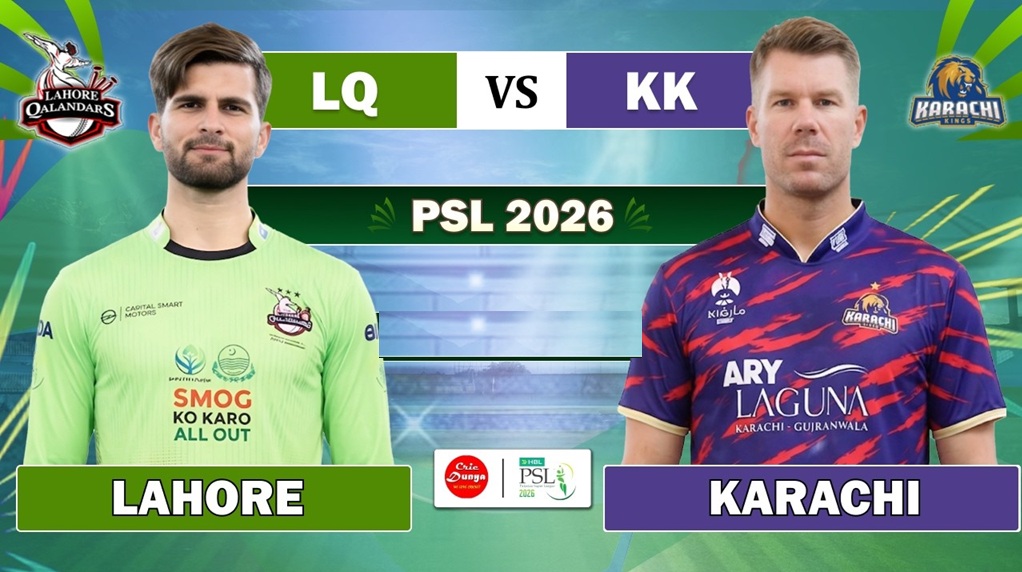
Pakistan has officially ended its high-stakes boycott of the 2026 T20 World Cup clash against India. Following intense diplomatic pressure and a marathon ICC session in Lahore, Islamabad directed the PCB to take the field on February 15 in Colombo, securing the tournament's financial future.
Why Pakistan Reversed the India Boycott
The geopolitical chessboard of international cricket has shifted again. Late Monday night, the Government of Pakistan issued a directive that dismantled a week-long standoff, confirming that the national team will indeed face India at the R. Premadasa Stadium. This isn’t just about a game; it is a calculated retreat designed to protect Pakistan’s standing within the ICC and its relationship with "brotherly nations."
The decision arrived after a weekend of high-pressure deliberations involving PCB Chairman Mohsin Naqvi, the Bangladesh Cricket Board (BCB), and a senior ICC delegation. The move ends fears of a massive financial "black hole" in the tournament’s revenue, of which the India-Pakistan fixture accounts for nearly 40%.
Key Takeaways from the Diplomatic Breakthrough
- The Date: The match remains scheduled for February 15, 2026, in Colombo, Sri Lanka.
- The Catalyst: Formal requests from Sri Lanka’s President and the UAE played a pivotal role in the "U-turn."
- The Bangladesh Factor: Despite Bangladesh’s absence from the tournament due to security rows, the ICC has guaranteed them future hosting rights to maintain regional balance.
- No Sanctions: By agreeing to play, Pakistan avoids potential heavy sporting and financial penalties from the ICC.
Field Notes on Cricket’s Billion-Dollar Pivot
As a strategist observing these developments, the "why" is clearer than the "what." The PCB’s initial boycott threat was a response to the "Hybrid Model" friction that began during the 2025 Champions Trophy. However, the data reveals that a total boycott would have been self-destructive.
In my analysis, the financial implications were too steep. The India-Pakistan match is valued at an estimated $500 million in broadcast and commercial rights. For a board like the PCB, which is currently investing heavily in domestic infrastructure and the PSL, losing their share of the ICC revenue pool was never a viable long-term strategy. The "Hard Truth" is that while political optics required a protest, the economic reality of 2026 cricket demanded participation.
The Revenue Breakdown
Revenue Stream Estimated Value (USD) Impact of Boycott
Global Broadcast Rights $310 Million 45% Drop in Viewership
Match Day Ticket Sales $15 Million
 Sold Out (Colombo)
Digital Ad Spend $120 Million Brand Withdrawals
Local Tourism (SL) $55 Million Total Loss for Host
Global Broadcast Rights $310 Million 45% Drop in Viewership
Match Day Ticket Sales $15 Million
Digital Ad Spend $120 Million Brand Withdrawals
Local Tourism (SL) $55 Million Total Loss for Host
Historical Context: The Long Road from 2025
To understand this tension, one must look back at the 2025 Champions Trophy hosted by Pakistan. During that tournament, India refused to travel across the border, forcing their matches—and eventually the final—to be played in the UAE.
When Bangladesh subsequently cited similar safety concerns about traveling to India for the 2026 T20 World Cup, Pakistan saw an opportunity to force a "reciprocity" argument. The ICC’s decision to remove Bangladesh from the 2026 event rather than moving India’s matches to a neutral venue was the spark that led to Pakistan’s boycott threat. This U-turn marks the conclusion of that specific power struggle, though the underlying issues of neutral venues remain unresolved for the 2024-2027 cycle.
The Precedent of Neutral Venues
Cricket has survived on a "neutral venue" life-support system for years. From the 2009 attack on the Sri Lankan team to the recent 2025 Champions Trophy dispute, the sport has struggled to remain truly global while navigating local volatility. Pakistan's decision to play in Colombo is effectively an endorsement of the "Hybrid Era"—a reality where marquee games are hosted based on safety and marketability rather than pure geography.
The Stability of Global Cricket
The "Zero-Click" reality for fans is that the most anticipated match in sports is back on. But for the sport itself, this resolution prevents a splintering of the ICC. If Pakistan had followed through, it would have set a precedent where governments—rather than cricket boards—dictate tournament participation on a game-by-game basis.
By citing the "Spirit of Cricket" in their official statement, the Pakistani government has provided themselves with a graceful exit. For Sri Lanka, the co-host, the news is a massive relief. President Anura Kumara Dissanayake personally intervened, knowing that a Pakistan boycott would have devastated Colombo's tourism and gate receipts for the knockout stages.
The Impact on SGE and AI Search Results
Search generative engines are currently prioritizing "Consensus and Resolution." By confirming participation, Pakistan has ensured that the narrative around the 2026 World Cup shifts from "Crisis" to "Clash." This provides the ICC with a clean slate to market the event to Western audiences, who often shy away from the complex political baggage of the subcontinent.
The Tactical Evolution of Both Squads
While the suits were arguing in boardrooms, the players were preparing in the nets. The tactical landscape for February 15 has changed significantly due to this delay in confirmation.
1. Pakistan’s Spin Supremacy
The delay in confirmation has allowed Pakistan's medical staff to clear their primary leg-spinner for the Colombo deck. The R. Premadasa Stadium is notorious for its grip after the first 10 overs. Pakistan's strategy will likely revolve around a "Slow-Ball Trap," utilizing the humidity of the Sri Lankan coast to negate India’s power hitters.
2. India’s Middle-Order Stability
India has been experimenting with a "left-right" combination in the top four to counter Pakistan’s left-arm pace threat. With the match officially green-lit, the Indian management has pivoted back to a more conservative, high-retention strategy. They know that in a high-pressure Colombo environment, wickets in hand are more valuable than a high powerplay strike rate.
3. The Psychological Weight
The "Hard Truth" of these fixtures is that they are won in the 48 hours preceding the toss. The uncertainty surrounding Pakistan's participation may have actually served as a smoke screen for their training camp. By keeping the world guessing, they avoided the media circus that usually follows their arrival in a host country.
Strategic Implications for the 2026 Cycle
The resolution of this crisis sets a blueprint for the next three years of ICC events. We are witnessing the birth of "Pragmatic Cricket." The "Field-Tested" reality is that no single nation, no matter how powerful its domestic league, can survive in isolation.
The Future of India-Pakistan Bilaterals
While the World Cup fixture is saved, the prospects for a bilateral series remain dim. The ICC's success in brokering this deal was largely due to the financial leverage of a multilateral tournament. Without the "Total Revenue" threat of an ICC event, there is little incentive for either government to move toward a standalone series.
What Fans Should Watch For
- Security Bubbles: Look for an unprecedented four-tier security ring around the Pakistan team hotel in Colombo.
- Broadcast Innovations: Reports suggest 42-camera coverage for this game alone, including new AI-driven player tracking.
- Neutral Venue Normalization: This may be the last time a boycott is even threatened; the ICC is moving toward a permanent "Safety First" hosting model for high-risk fixtures.
The Win-Win Scenario
In the end, everyone got what they needed. The PCB proved it can hold the cricketing world's attention; the BCCI ensured the commercial viability of the event; and the ICC maintained the integrity of its flagship tournament. As we move toward the February 15 deadline, the narrative of "Will they or won't they?" is replaced by "Who will win?".
For the players, the noise stops here. For the fans, the spectacle begins. This U-turn isn't a sign of weakness; it’s a sign of maturity in the modern sports economy. The focus finally shifts from the boardroom to the boundary ropes.




Comments (0)
Leave a Comment